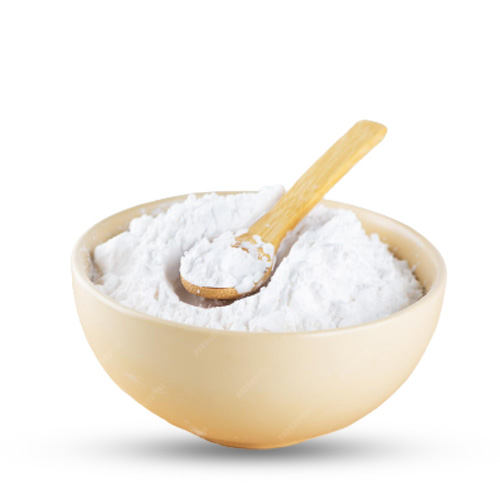
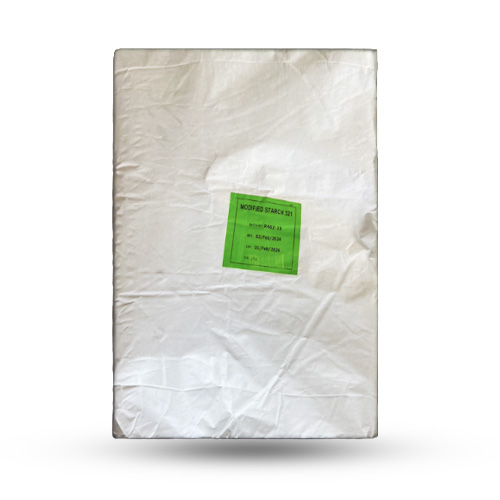
Modified Starch

The primary benefits include improving the texture and properties of food, such as making it chewy, bouncy, and elastic; increasing food viscosity; maintaining moisture; extending shelf life; and helping it maintain its shape better. It’s also used in other industries, such as papermaking, to increase strength and water resistance.

Benefits in the Food Industry:

  • Texture Enhancement: Makes products chewy, elastic, and bouncy.
  • Thickening: Used as a thickening agent in soups, sauces, and various gravies.
  • Moisture Retention: Helps absorb water, keeping bread and cookies firm and preventing them from drying out.
  • Extended Shelf Life: Helps maintain product quality and stability, allowing them to last longer.
  • Binding Agent: Helps food ingredients such as meat, eggs, and seasonings bind together.
  • Resistance to Changes: Some modified starches are resistant to heat, acid, shear, cooling, and freezing.
  • Diverse Productivity: Used in making meatballs, pork sausage, hot dogs, pasta, soups, bread, cookies, and UHT dairy products.

Benefits in Other Industries:

  • Paper Industry: Used as an adhesive, coating, and to increase strength, water resistance, and abrasion resistance.
  • Textile Industry: Used as a raw material in the textile manufacturing process. Gypsum board manufacturing: Used as a component in the production of gypsum boards.